
Workplace wellbeing · 30 July 2026 · 7 min read
Pneumatic Compression and Sedentary Lifestyles: Can It Ease Heavy Legs?
Long periods of desk work, travel and limited movement can contribute to heavy or swollen legs. Pneumatic compression may provide temporary comfort and support circulation, but it does not replace regular movement or medical assessment of persistent symptoms.
Why can prolonged sitting make the legs feel heavy?
When the calf muscles remain inactive, the natural muscle pump contributes less to venous return. Some people then notice heaviness, stiffness or swelling, particularly late in the day or after long journeys.
These symptoms may have other causes. New, one-sided, painful or persistent swelling requires medical assessment.
What pneumatic compression may provide
Sequential compression can temporarily increase blood flow in the legs and reduce the sensation of pooling. Many users value the enveloping pressure and lighter-leg feeling afterwards.
It does not, however, offset the broader muscular, metabolic and cardiovascular effects of a sedentary lifestyle.
The habits that matter most
Standing up regularly, walking for a few minutes, moving the ankles, changing position and maintaining suitable physical activity remain the priority.
Hydration, an ergonomically adjusted workstation and active breaks provide additional daily support.
Who should be particularly cautious?
Compression may be unsuitable in certain vascular conditions and in people with cardiac, renal or arterial disease.
A wellness device should never be used to mask pain, sudden swelling or an undiagnosed circulation problem.
This content is informational and does not replace medical advice. Pneumatic compression is not suitable for everyone; professional guidance is essential when there is a history of vascular, cardiac, renal or thrombotic disease.
Create a workplace wellbeing pause
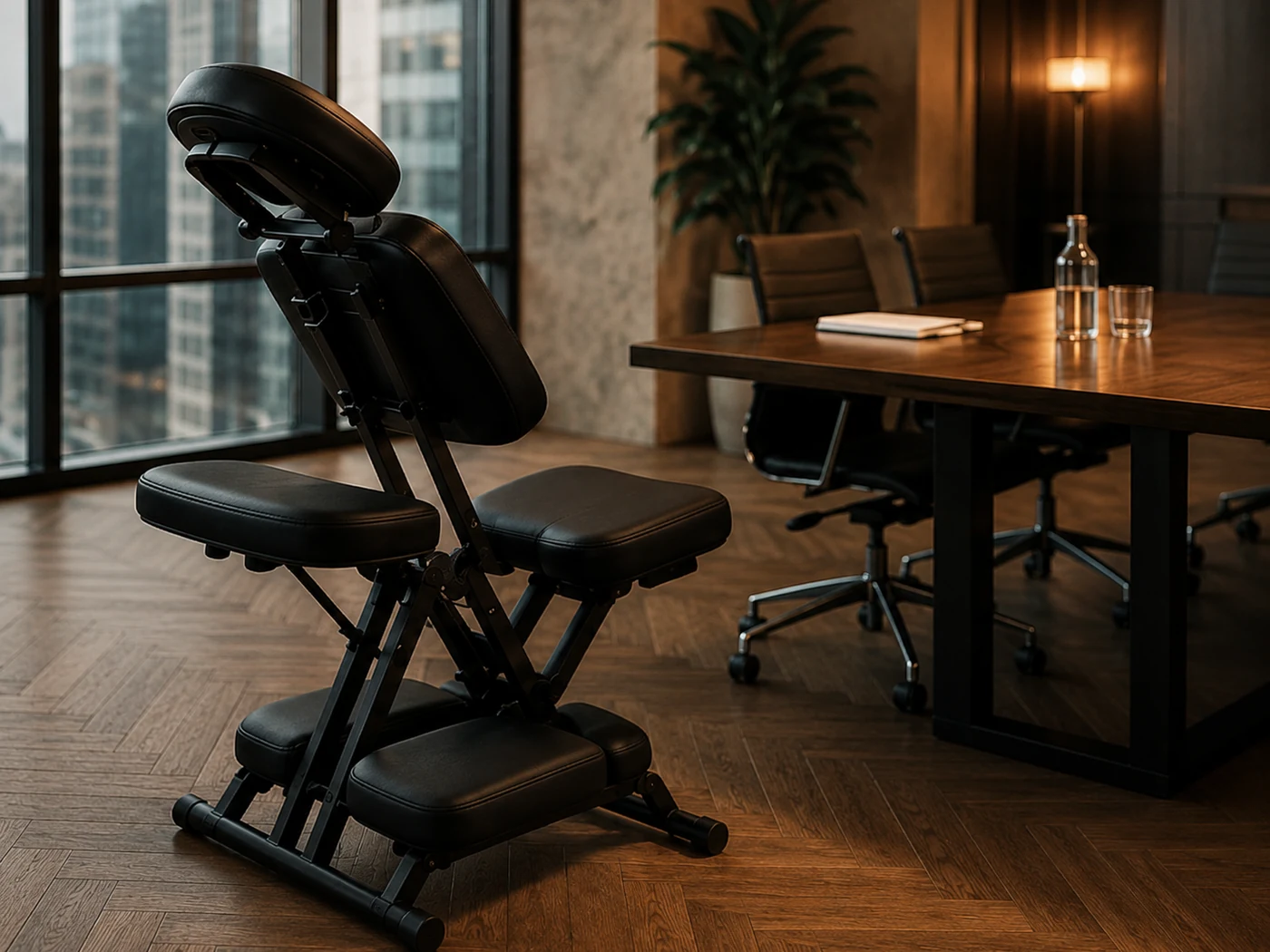
Prodigia can combine seated massage and selected Recovery options in a tailored corporate service.
Plan a corporate service